




PATIENT REVIEWS

WORLD CLASS, FIVE - STAR LUXURY EXPERIENCE IN PLANO, TEXAS
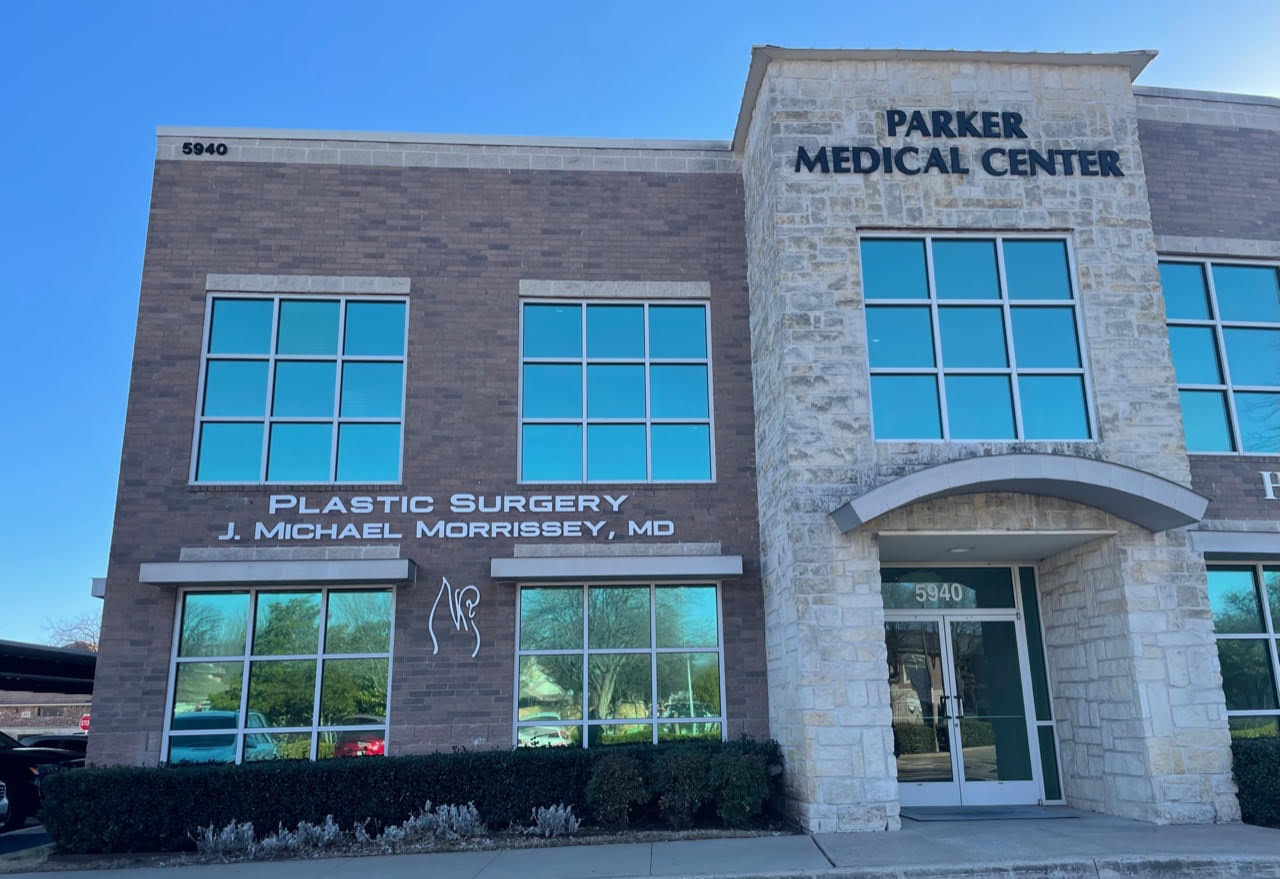
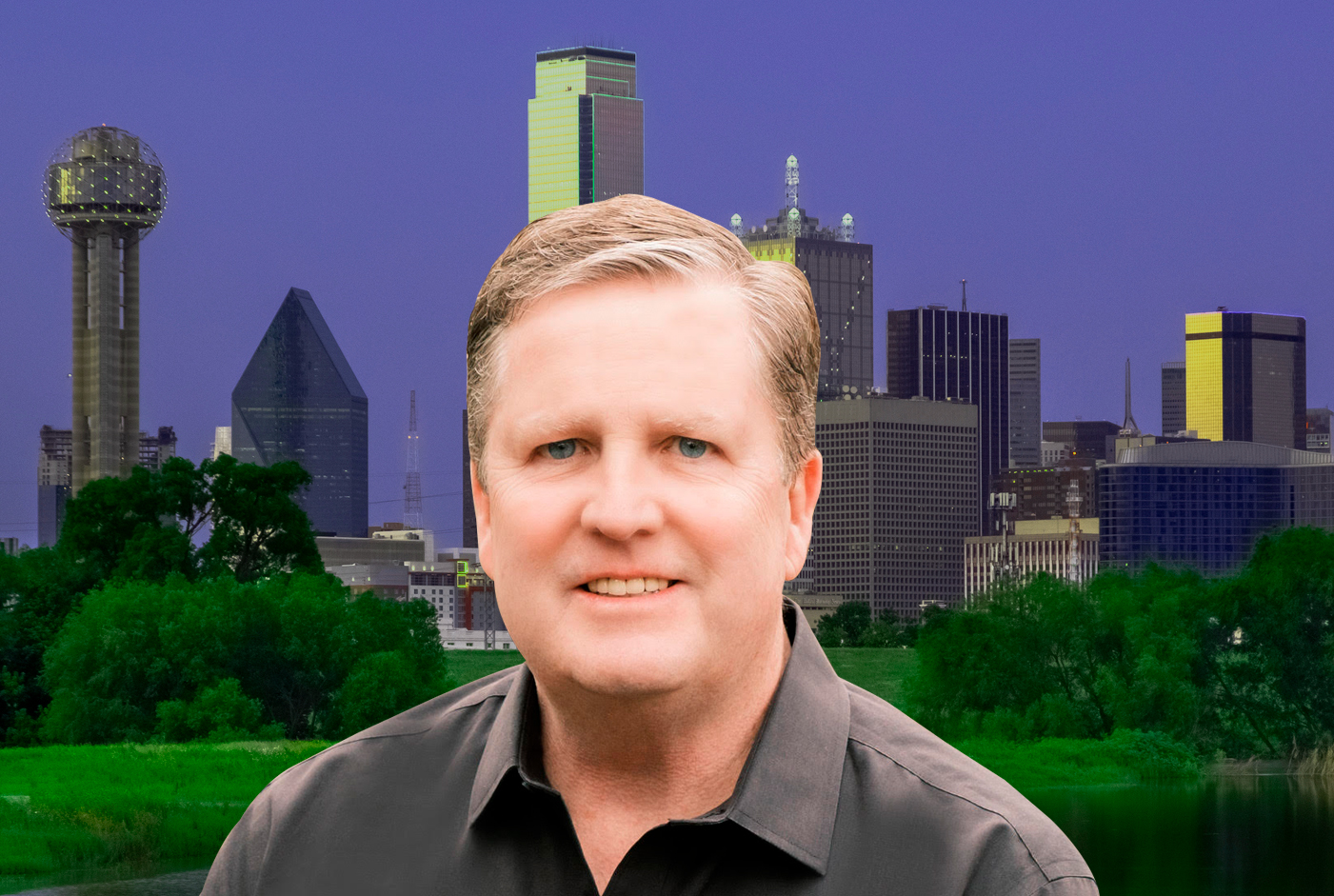
Welcome to the Plastic & Cosmetic Surgery Center of Texas. We are committed to excellence serving Plano and the surrounding cities. J. Michael Morrissey, M.D. is a board-certified Plastic surgeon. He is recognized as a leading cosmetic surgeon in the Dallas metroplex, North Texas and beyond. In his 18 years of practice, Dr. Morrissey has earned numerous awards and accolades. The Plastic & Cosmetic Surgery Center of Texas has attracted patients from all over the country and internationally. Dr. Morrissey and his dedicated team are ready to help you achieve your best possible results.
PROCEDURES OFFERED:
- Breast Augmentation
- Breast Lift
- Breast Reduction
- Chin Liposuction
- Mommy Makeover
- Eyelid Surgery
- Body Contouring
- Tummy Tuck
- Liposuction
- Thigh Lift
- Gynecomastia
- Male Tummy Tuck
- Male Liposuction
- Male Eye Surgery
Our center is one of the few practices in the area that performs specialized surgery for Gynecomastia or Male Breast Reduction. With more than 1,000 procedures having been performed at the practice, Dr. Morrissey is expertly qualified and has perfected the technique that eliminates scarring on the front of the chest.
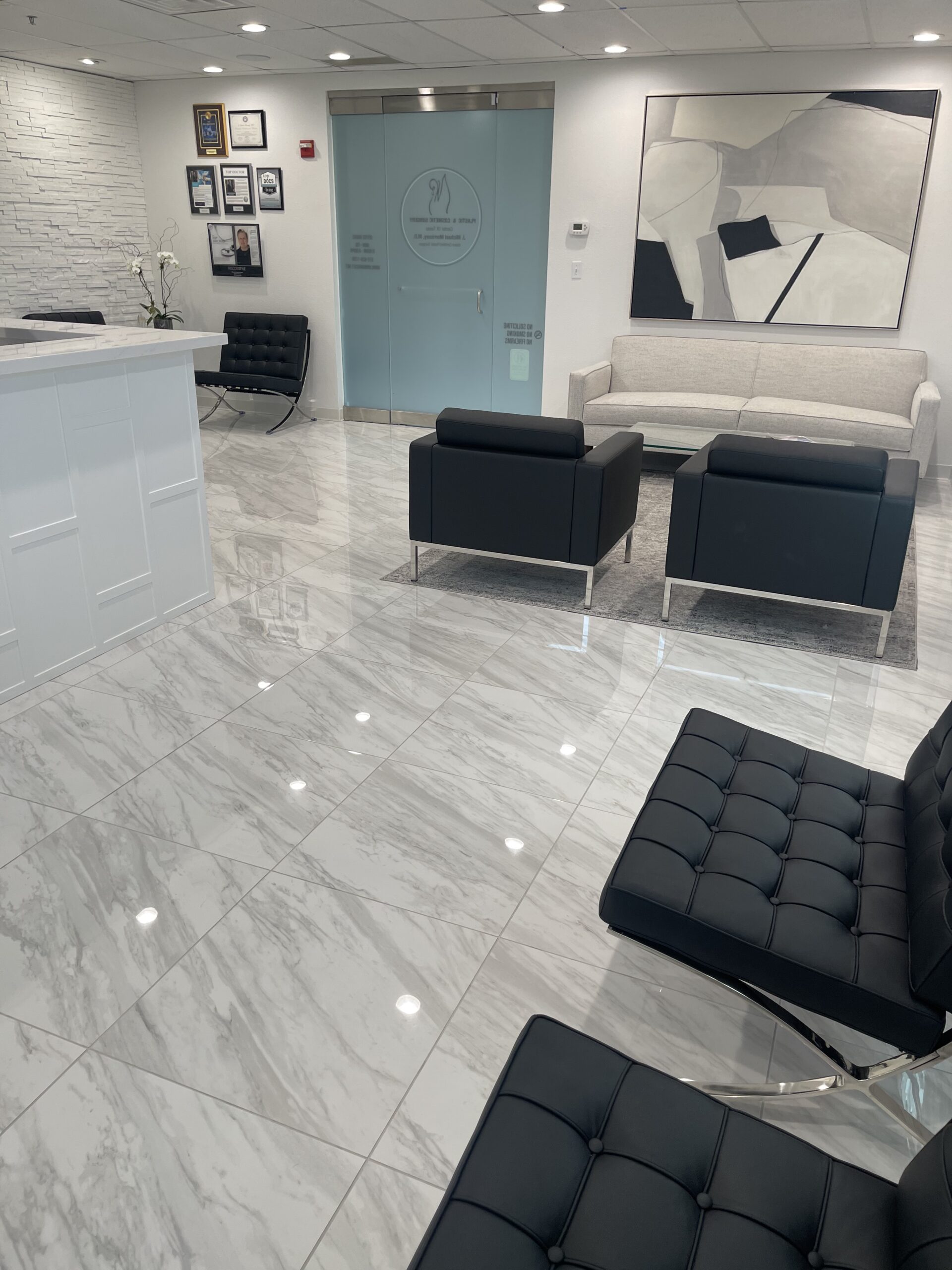
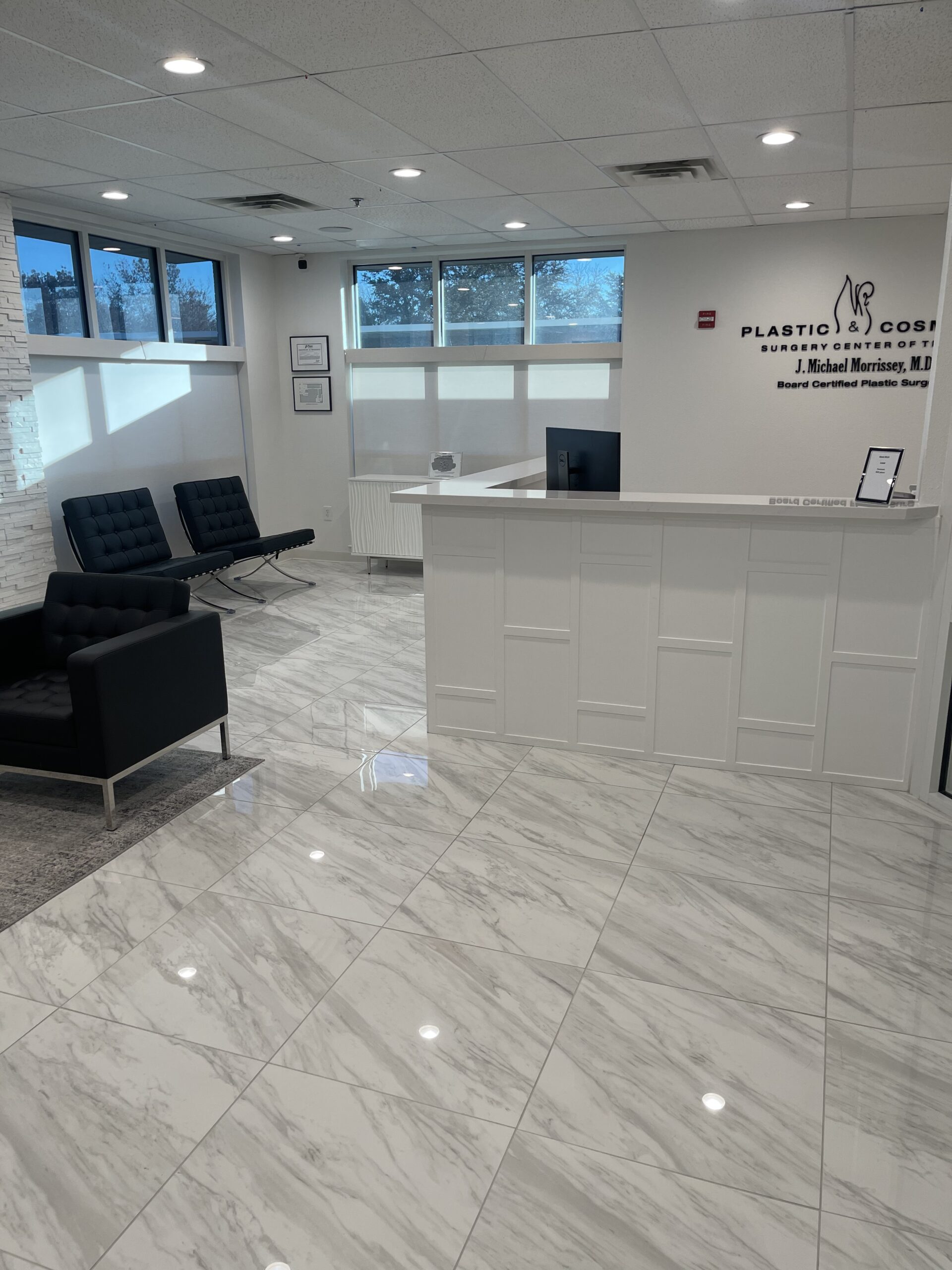
The administrative and clinical staff at Plastic & Cosmetic Surgery Center of Texas are highly experienced and have extensive knowledge to enhance the patient experience. We provide both in person and virtual consultations at our newly renovated office. Our consultation fee is $50 which can be applied to the procedure when booked.
Plastic and Cosmetic Surgery Center of Texas proudly offers surgical care in a state of the art, state licensed ambulatory surgery center to ensure a successful plastic surgery experience in a safe environment. We offer flexible financing with Care Credit and we also accept insurance.